The Hoax
The FBI Was Not Involved In January 6 Riot
On December 12, 2024, Politico published an article that claimed the FBI did not deploy undercover agents on January 6, 2021. This was done in an attempt to dismiss “conspiracy theories” about law enforcement’s role in the Capitol riot. The article perpetuates a narrative designed to exonerate the FBI of any involvement in inciting or influencing the events of January 6. It explicitly denies that undercover agents were present or that any informants were directed to encourage illegal acts.
A Justice Department watchdog found no evidence that the FBI deployed undercover agents to the Capitol or nearby protests on Jan. 6, 2021, further undercutting debunked conspiracy theories about the riot being instigated by law enforcement.


What Really Happened
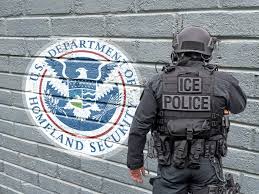
The FBI Planted 26 Informants In The J6 Crowd
Politico’s article employs a subtle yet effective persuasion technique often referred to as false generalization. This involves presenting a specific, factual claim as if it represents the entire truth, creating the illusion of full exoneration. By focusing narrowly on one detail while ignoring the broader context, the technique misleads the audience into believing all issues are resolved or doubts are unfounded, even when significant questions remain.
For example, Politico highlights that “the DOJ watchdog found no evidence that the FBI deployed undercover agents” on January 6. While technically accurate, this statement acts as a shield, deflecting attention from the report’s other revelations—namely, the presence of 26 FBI informants at the Capitol protests. Informants, distinct from undercover agents, can still wield significant influence in shaping events.
Horowitz also found that among the tens of thousands of Trump supporters who flooded Washington that day, 26 were people who had served as informants for the FBI. Those informants — known as “confidential human sources” or CHSs — are not government employees but occasionally provide intelligence to the bureau.
By focusing on the absence of undercover agents and the claim that no FBI informants were “authorized” to commit crimes or encourage illegal acts, Politico creates the impression of complete FBI innocence. However, this narrative glosses over the ethical and operational concerns surrounding informants’ potential to influence group behavior or provoke certain actions, even unintentionally. In essence, the article strategically frames partial truths as a full vindication, leaving readers with a one-sided interpretation of the report’s findings.
Unanswered Questions About the FBI’s Role in J6
- Did any informants encourage illegal activity, either directly or indirectly?
- Were informants embedded within key groups like the Proud Boys or Oath Keepers, and if so, what influence did they have?
- Were informants positioned to provoke or steer crowd behavior during the riots?
- What specific intelligence did these informants report to the FBI before January 6, and how was it used?
- Did any informants provide material support, such as resources or strategic advice, to participants?
- Were there any instances of informants deliberately escalating tensions or instigating actions among the crowd?
The absence of answers to these critical questions speaks volumes about the FBI’s possible role in provoking the January 6 riots. If informants acted innocently, the FBI would have no reason to avoid providing detailed responses to these points. For instance, if no informants encouraged illegal actions, this would have been explicitly clarified. Likewise, if informants merely observed groups like the Proud Boys and Oath Keepers without influencing them, or if they refrained from taking actions that heightened tensions, that information would surely be emphasized. Instead, the failure to disclose this crucial information suggests it may be damaging to the FBI’s credibility or reveal complicity in escalating the events of that day. When transparency is absent, it leaves room for speculation that the FBI’s informants may have done more than observe—they may have actively influenced or even incited the violence.
Hoaxology | How They Hoax Was Created
The narrative dismissing concerns about informant involvement employs several techniques from Hoaxology:
Selective Reporting
The article emphasizes that no undercover “agents” were deployed, while downplaying the presence of 26 informants. It uses a narrow distinction between “agents” and “informants” to obscure the reality that informants can be equally capable of influencing events.
Strategic Ambiguity
The article asserts that informants were not directed to incite crimes but avoids explaining their specific roles or actions during the riot. By leaving out key details, the piece creates uncertainty that shields the FBI from scrutiny.
Appeal to Authority
By citing the watchdog report, Politico lends credibility to its narrative while ignoring the contradictions and implications raised by the report itself.
Highlighting Emotional Reactions
The article frames skepticism of law enforcement involvement as a “conspiracy theory,” attempting to discredit critics by associating them with fringe beliefs rather than addressing the valid questions raised by the report’s findings.



Leave a Reply